Why Do We Compare Ourselves to Others?
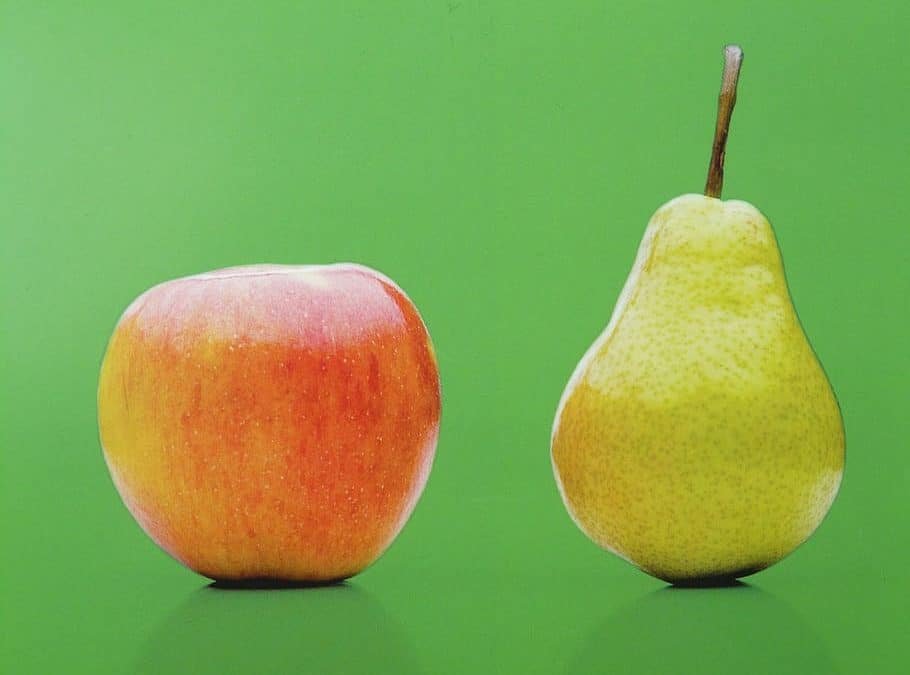
We all do it — we compare ourselves to other people. Even when it makes us feel worse, we still look around and ask, “How do I measure up?” But why? What drives this constant comparison, and how does it affect our happiness and self-worth? Most importantly, is there a way to stop?
Let’s explore these questions together.
1. Why Do We Compare Ourselves to Other People?
The Social Comparison Theory
Psychologist Leon Festinger first explored this idea in 1954 through what he called the Social Comparison Theory. He suggested that humans have a natural desire to evaluate their opinions and abilities — and when we don’t have an objective standard to measure against, we compare ourselves to others.
In simple terms:
- We want to know who we are.
- We want to know how we’re doing.
- And we want to know where we belong.
When we don’t have clear answers to those questions, we look to the people around us for clues.
The Deeper Human Need Behind Comparison
Comparison is really an attempt to meet basic human needs for identity, progress, and belonging. We long to understand ourselves, to grow, and to feel connected to others.
As Festinger observed, humans can’t define themselves in isolation. We describe who we are in relation to others — as a mother, a friend, a teacher, a neighbor. Unlike the fictional Groot who can simply say, “I am Groot,” our sense of self is relational. We need context, connection, and comparison to feel real.
So, we compare as a way to answer deep questions like:
Who am I? Am I improving? Do I fit in?
The problem arises not from the act of comparing itself, but from why and how we do it.
2. Is There Any Benefit to Comparing Ourselves with Others?
The short answer: It depends.
If we compare to learn and grow, comparison can motivate and inspire us. But if we compare to prove our worth, it almost always leads to pain.
Comparing for Self-Evaluation and Growth
Healthy comparison can fuel personal development. It’s about observation, not judgment.
This kind of comparison asks:
- “What can I learn from that person?”
- “How can I grow?”
Psychologist Albert Bandura’s Social Learning Theory complements Festinger’s research by explaining that we learn by watching others. Babies learn to talk by imitating adults. Likewise, adults grow by modeling what they admire.
Example: George Washington Carver
Born into slavery, Carver couldn’t attend school as a child — but he watched, learned, and taught himself. Whenever he saw someone do something difficult, he said, “They did that with their own two hands. I’ve got hands, and I’ll bet I can learn to do it, too.”
That humble, growth-oriented mindset helped him become a world-renowned scientist and teacher who inspired millions.
This is comparison at its best — not to compete, but to learn.

George Washington Carver – an example ot comparison at it’s best
Comparing to Measure Self-Worth
Unfortunately, most comparison isn’t like that. Many of us compare not to grow, but to rank ourselves.
This type of comparison is rooted in pride, not progress. It’s about trying to feel superior — or feeling inferior when we think we don’t measure up.
As C.S. Lewis wrote:
“Pride gets no pleasure out of having something, only out of having more of it than the next man… It is the comparison that makes you proud.”
This kind of pride breeds jealousy, resentment, and hostility. It makes us feel bad about ourselves when others succeed and secretly satisfied when others fail. It’s toxic to our happiness — and to our relationships.
3. The Two Directions of Comparison
Upward Comparison
When we look at people who seem to be doing better than us, we can respond in two ways:
- Healthy comparison: “That’s amazing — what can I learn from them?”
- Unhealthy comparison: “They’re better than me. I’m a failure.”
Social media and celebrity culture bombard us with “perfect” lives, making upward comparison almost unavoidable. But most of what we see online isn’t real — it’s filtered, edited, and carefully curated. Comparing ourselves to illusions only leads to frustration and self-doubt.
Downward Comparison
Looking at those who seem worse off can also go two ways:
- Healthy comparison can inspire gratitude and compassion.
- Unhealthy comparison leads to arrogance or judgment.
George Washington Carver, again, is a powerful example of the healthy kind — as he rose in success, he devoted himself to helping others rise too.
4. How to Stop Unhealthy Comparison
Awareness is the first step. You can’t change what you don’t notice. Once you recognize that comparing yourself to others damages your happiness and self-esteem, you can start replacing that habit with healthier ones.
Step 1: Limit Opportunities for Comparison
The biggest culprits today? Social media and celebrity culture.
A 2018 University of Pennsylvania study found that social media use directly increases loneliness and depression. The more time we spend comparing our lives to curated highlight reels, the worse we feel about ourselves.
Try setting limits for yourself — maybe 10 to 30 minutes a day — or take a break altogether. Replace scrolling with something uplifting like reading, listening to podcasts, or spending time in nature.
Step 2: Add Perspective
Remember: what you see online isn’t real life. Even people who look perfect in photos don’t actually look like that in person.
As Jennifer Lawrence once said about her own fashion ads, ‘Of course it’s Photoshop; people don’t look like that.’

A helpful reminder that many images we compare ourselves to aren’t real
Step 3: Build Self-Esteem from Within
True self-worth doesn’t come from being better than others — it comes from being connected to your authentic self.
Instead of asking, “Am I as good as they are?” try asking,
“Am I becoming the best version of myself?”
Self-esteem grows through gratitude, compassion, and self-acceptance — not comparison.
For more support, explore these free Hope for Healing resources:
Healing Breathwork Detox Session
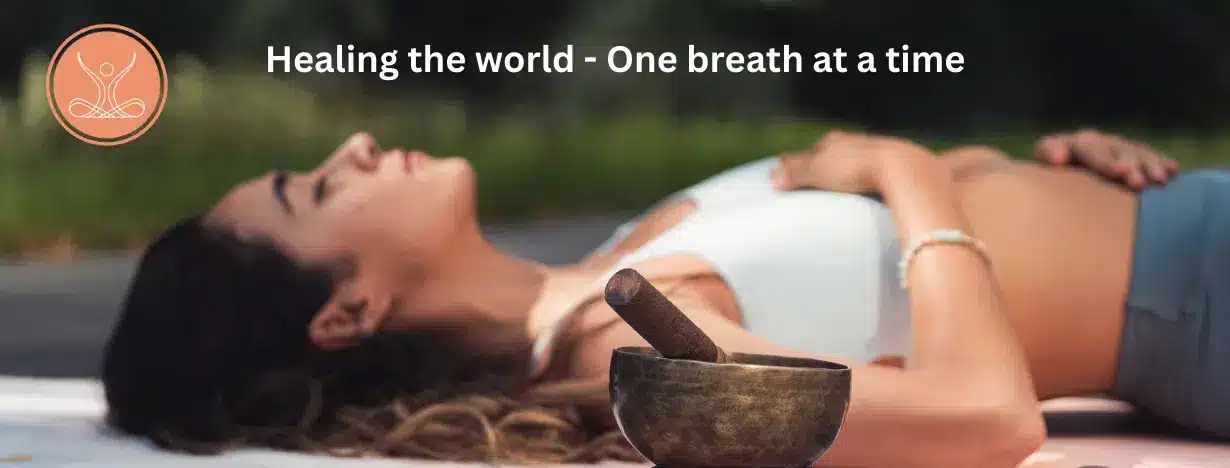
We believe everyone deserves the chance to experience deep healing and personal transformation. That’s why we’re offering a free Healing Breathwork Detox session. No cost, no strings attached. Because you are loved. And you are worth it. Enjoy a free session to Boost Confidence, Self-Esteem and Self-Love.
How to Love and Accept Yourself
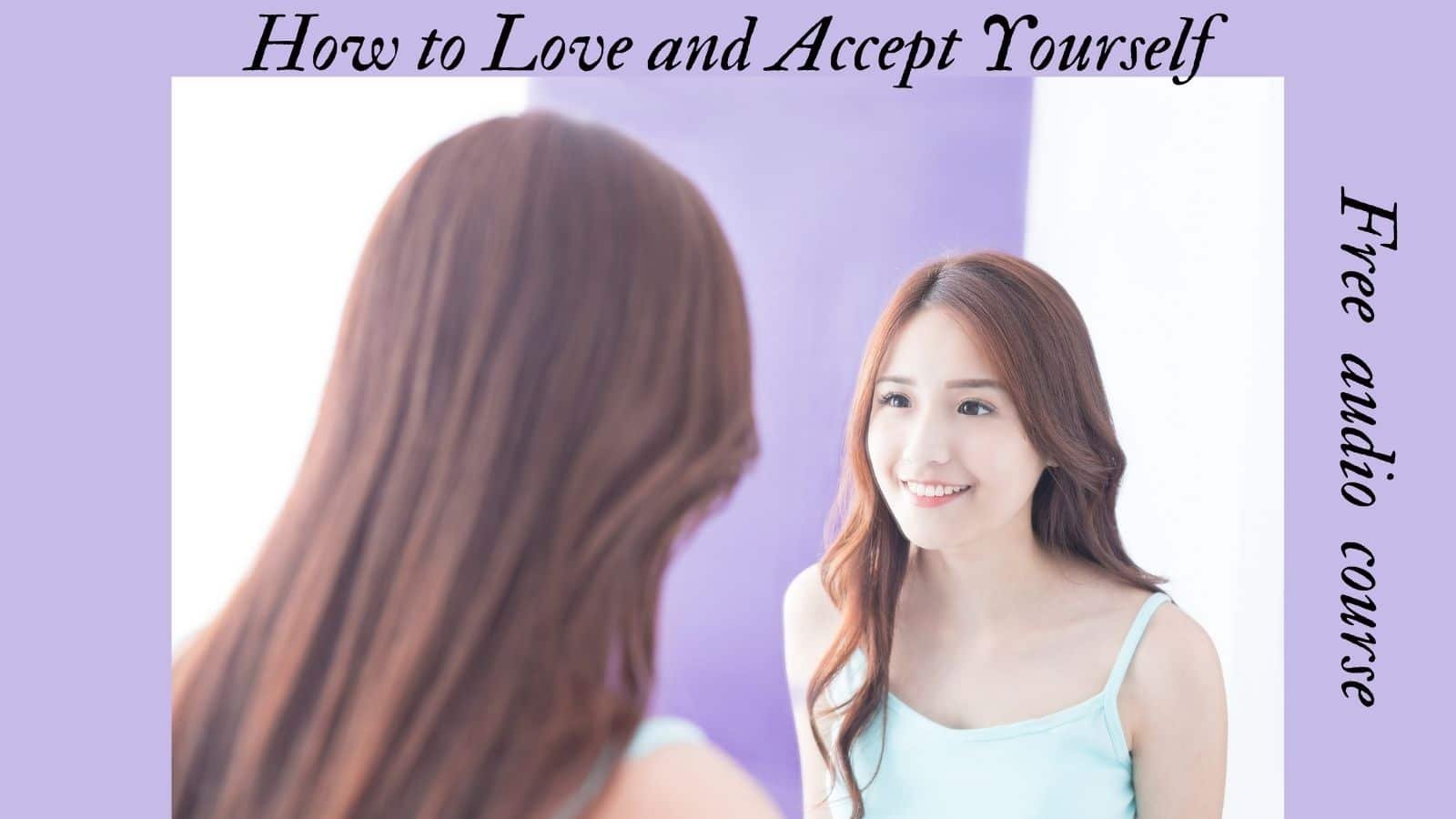
Learning to love and accept yourself is the foundation of building confidence and self-esteem. In this course, you’ll learn how to love and accept yourself and believe that you are already good enough.
Empowering Overcomers
Healing is possible from every challenge and hardship. You have the power to rise, grow, and rewrite your story. It’s time to overcome what’s been holding you back and become the champion of your life.

More Free Resources
Enjoy these free resources to become the best version of yourself.
Check out our blog for more great articles like the ones below…

The Secret to Confidence and Self Esteem
What is the secret to confidence and self esteem? Why is it that some people seem to have all the luck? Brimming with confidence, happiness and success they have a strong sense of love and belonging while other people, no matter how hard they try, are always wondering...

I Need Help, But I Can’t Afford It
I Need Help, But I Can’t Afford It Hope for healing—no matter your financial situationWhat If I Can’t Afford the Help I Need? When you’re struggling with anxiety, depression, trauma, or overwhelming stress, it’s normal to want help—but not everyone has access to the...

How to Heal from Childhood Abuse
Healing the Wounds of Childhood Abuse Some people assume we forget or outgrow trauma—but that simply isn't true. Childhood trauma doesn't just disappear with time. When left unresolved, it can manifest as lifelong emotional pain, mental health struggles, and even...
5 minutes to transform your life
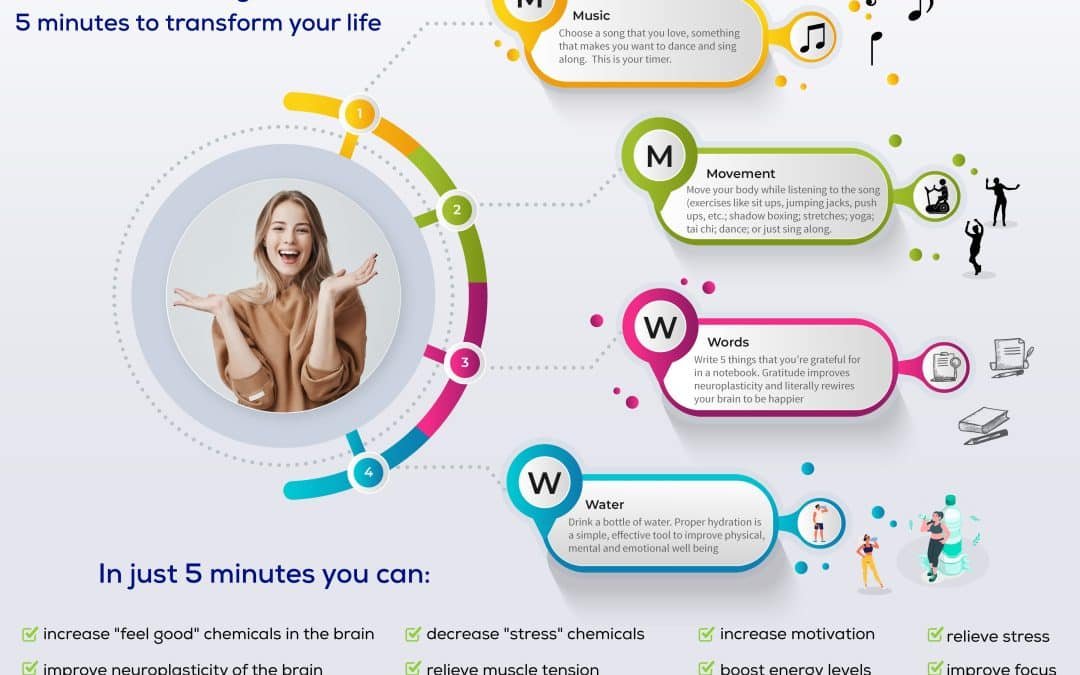
5 minutes that will change your lifeWatch this short video on how to transform your life in just 5 minutes. Learn fun and easy ways to increase "feel good" chemicals and decrease "stress" chemicals so you feel happier and less stressed. Download your free MMWW poster...

Increasing happiness
What can I do to be happier? Emotions are chemical. There is a physiological reason why we feel the way we do. We have a reward center in our brain and when it is flooded by "feel good" chemicals (dopamine, serotonin, oxytocin, endorphins. etc.) we feel happy. We...

Building confidence and self esteem
Build confidence and self-esteem According to cognitive behavioral scientists our most basic questions are: Am I loveable? Am I worthy of love and belonging? Am I good enough? The answer is yes. Click on an image below to learn more. Here are five things that...
Family and relationships
Family and relationships Families matter. Marriage matters. Parenting matters. Healthy marriages and healthy families lead to happy lives and healthy communities. Learn tips how to have a better marriage and how to raise happy, successful children.Pediatric mental...

Stress management
Stress management Chronic worry and stress can negatively affect virtually every organ system in the body and has been shown to cause numerous health problems. Practical tips to manage stress Learn how worry and stress may be affecting your mental, emotional, and...

Help for Depression
Help for depression Discover how to overcome depression and anxiety naturally—without medication. Explore free healing tools, including videos, audio courses, eBooks, podcasts, articles, and even a full Healing Breathwork session with no strings attached. We genuinely...

17 Simple Ways to Relieve Worry, Stress, and Anxiety
17 Simple Ways to Relieve Worry, Stress, and Anxiety Worry, stress and anxiety can trigger a host of health problems, but there are things we can do to overcome the feelings of worry, stress, and anxiety. Here are 17 simple ways to relieve worry, stress, and...

How does worry and stress affect your health?
You Got This! Am I good enough? How do I stop worrying about my kids? How do I forgive myself? All these questions and more are answered in "You Got This!" "You Got This!" is a thoroughly researched, easy-to-read, well-designed action plan to calm feelings of fear,...

Emotional first aid kit
What is an emotional first aid kit? An emotional first aid kit is simply a list of emotional wellness tools that can provide an immediate, although temporary, positive effect on the way we think and feel. Having an emotional first aid kit readily available can...
5 Tips to Increase Happiness
Tip #1 Smile Why it works: Which comes first, the smile or the happiness? When people are happy they smile, but Charles Darwin first proposed the idea that it can also go the other way around in 1872 when he wrote, “The free expression by outward signs of an...

10 tips to overcome depression
Tips to help overcome depression If you're looking for practical tips to overcome depression, you've come to the right place. Learn what you can do yourself to overcome depression and anxiety naturally, without medication. Enjoy a free video series with useful...
Stop the Cycle – Generational Healing
Breaking the Cycle: Healing Generational Trauma, Abuse, and Self-Limiting Beliefs Many people try to change their lives but feel stuck. Even with strong effort and good intentions, the same struggles can repeat. You may promise yourself that you will not live the same...

Healing From Addiction With Breathwork
Healing From Addiction With Breathwork: A Simple and Powerful Path to Recovery Addiction is not a personal failure. It is often a sign that you are carrying deep pain.As Dr. Gabor Maté says, the real question is not “Why the addiction?” but “Why the pain?” Many people...
Healing Your Inner Child
Healing Your Inner Child A Transformative Breathwork Session for Deep Emotional Healing Your inner child holds some of your earliest memories, beliefs, wounds, and emotional patterns. When those early experiences go unhealed—whether from trauma, neglect, criticism, or...